Your first walk-through as a homeowner is usually about rooms, closets, and the roof. Windows come later—often after you notice the bedroom is stuffy, the kitchen sink faces a blank wall, or the living room sofa blocks the only opening window. Window style is not just a finish choice. It decides how a room ventilates, how easily you clean the glass, where furniture can go, and how the house looks from the street. The right style is the one that fits your daily habits and the architecture around it.
Start With How You Live, Not Just the Look
Before you fall for a deep bay window or a wall of glass, list the practical jobs each room needs its windows to do. Do you open windows every morning, or mostly rely on mechanical ventilation? Will you reach over a counter, a sofa, or a child’s bed to turn a crank? Is the street noisy, or does the window face a quiet garden? A bedroom on a busy road may need excellent sealing and a style that lets in air without welcoming traffic noise. A kitchen with a sink under the window needs an operation that does not fight the faucet.
Climate matters, too. In hot afternoons, an awning window can let in air while keeping out direct rain. In a cold climate, a well-sealed casement may feel tighter than an old slider. And in a historic district, the shape and muntin pattern may matter as much as the glass. Write down the non-negotiables for each room—privacy, light, ventilation, cleaning access, safety—then use those notes to narrow the choices.
Double-Hung and Single-Hung: The Familiar Workhorses
Double-hung windows have two sashes that slide up and down. Both sashes move, so you can open the top for warm air to escape and the bottom for cooler air to enter. Many modern double-hungs tilt inward for cleaning, which is a real advantage on second floors. They suit bedrooms, living rooms, dining rooms, and almost any traditional or transitional house. If your home has classic trim, a simple double-hung with the right proportions will look at home.
Single-hung windows look similar but only the lower sash moves. They are often a practical choice for budget-conscious projects and for rooms where the upper sash will stay closed. Check the balance system and tilt latches when comparing models; a stiff sash or a flimsy latch will annoy you every season. Double-hungs are not the best choice for very wide openings, where a slider or a fixed window with flanking casements may work harder.
Casement and Awning: Crank-Out Ventilation
Casement windows hinge on one side and crank outward. They catch cross breezes well, seal tightly, and can be tall and narrow—useful beside a desk, in a narrow bathroom, or along a modern wall. Because the sash swings outside, keep outdoor walkways and furniture clear. Casements are also a good match for period homes when the hardware and proportions are chosen carefully.
Awning windows hinge at the top and open outward from the bottom. They are excellent above a kitchen sink, in a bathroom, or in a basement because they can stay open during light rain. The trade-off is that the projecting sash can block a view or catch wind. Both styles use cranks and hinges that benefit from occasional cleaning and lubrication. If you have limited hand strength, test the hardware before committing to a whole house full of cranks.
Sliding and Picture Windows: Wide Views, Simple Motion
Sliding windows glide horizontally on a track. They are simple to operate, easy to pair with sliding doors, and well suited to wide openings facing a deck, patio, or garden. The catch is ventilation: a slider typically opens only half the opening. Keep the track clean so the sash does not stick, and think about which side you want to slide; furniture placement often decides that.
Picture windows are fixed glass. They do not open, but they deliver the cleanest view and the least visual clutter. Use them in a living room facing a view, at the end of a hallway, or above a stair landing where operation would be awkward. In many homes, the best solution is a composition: a large fixed window in the center with operable casements or awnings on each side. That gives you the view plus a way to move air.
Bay, Bow, and Corner Windows: Borrowed Space and Light
A bay window projects outward from the wall, usually with three or more panels. It can create a window seat, a dining nook, or a small reading corner. A bow window uses more panels in a gentle curve, projecting less than a bay. Corner windows wrap around an outside corner and can open up a tight room. All three borrow floor space and light, which makes them appealing in living rooms and dining areas.
They also need more planning. Projecting windows affect the roof line, insulation, and exterior trim. In a cold climate, a poorly insulated bay can feel chilly; in a hot one, west-facing glass needs shading. Check that furniture will still fit around the projection, and ask how the window will be cleaned from inside. A bay can be a lovely feature, but it is not a casual swap for a flat window.
Specialty Styles That Solve Specific Problems
Transoms and hoppers
A transom sits above a door or another window and brings in light without sacrificing privacy. Hoppers are small windows that hinge at the bottom and open inward from the top; they are common in basements and bathrooms where a crank-out sash would be awkward. Use them where you need ventilation high on a wall or above a tub.
Tilt-turn windows
Tilt-turn windows tilt inward at the top for ventilation and swing fully inward for cleaning. They are space-efficient and work well in bedrooms, apartments, and rooms where you do not want an outward-projecting sash. Because operation varies, ask for a demonstration and make sure the reveal and furniture placement allow the full swing.
Garden windows
A garden window projects like a small greenhouse, often used in kitchens for herbs and light. They can be charming, but they also add exterior depth and heat gain. In very cold or very hot climates, check the glazing and insulation before choosing one.
Match Windows to Rooms and Architecture
Room use should guide the final choice. A few reliable pairings:
- Living room: a large picture window with casements or double-hungs beside it; a bay if you want a seat and have the exterior depth.
- Kitchen: an awning over the sink, a casement near a prep counter, or a slider opening to a deck.
- Bedroom: double-hung or casement for easy ventilation; confirm emergency escape requirements with a qualified local professional.
- Bathroom: a small awning, hopper, or casement with frosted glass for privacy.
- Basement: hopper or awning windows set high in the wall.
- Stairwell or hallway: a fixed window or transom where operation would be difficult.
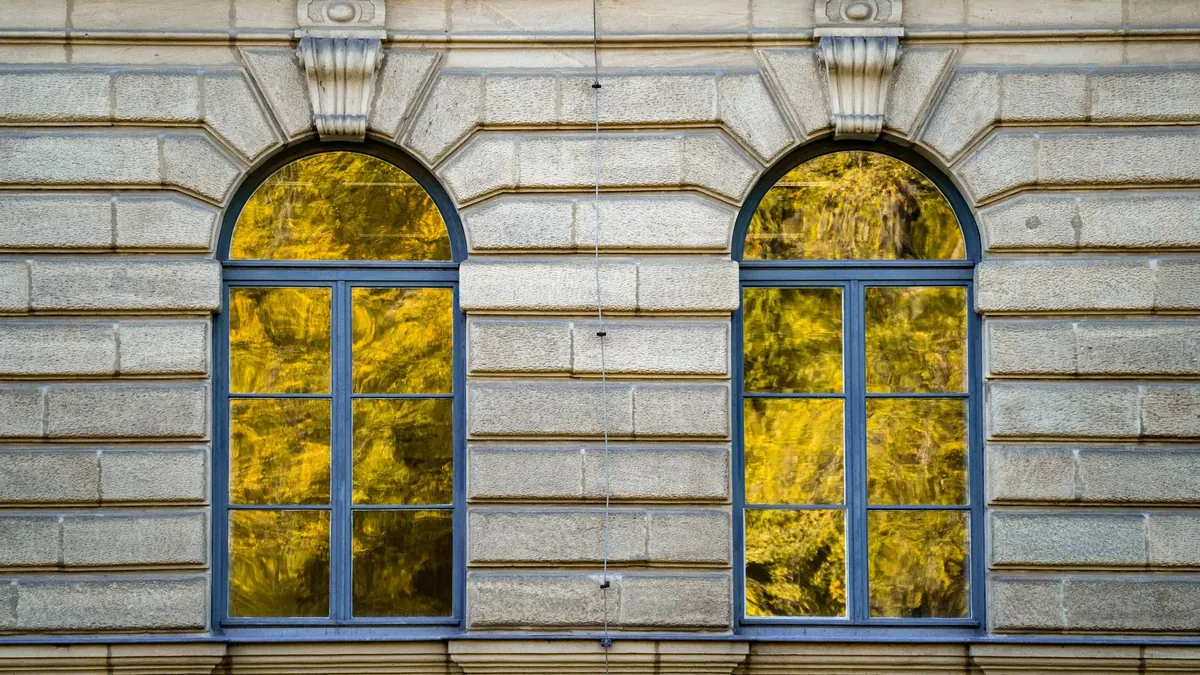
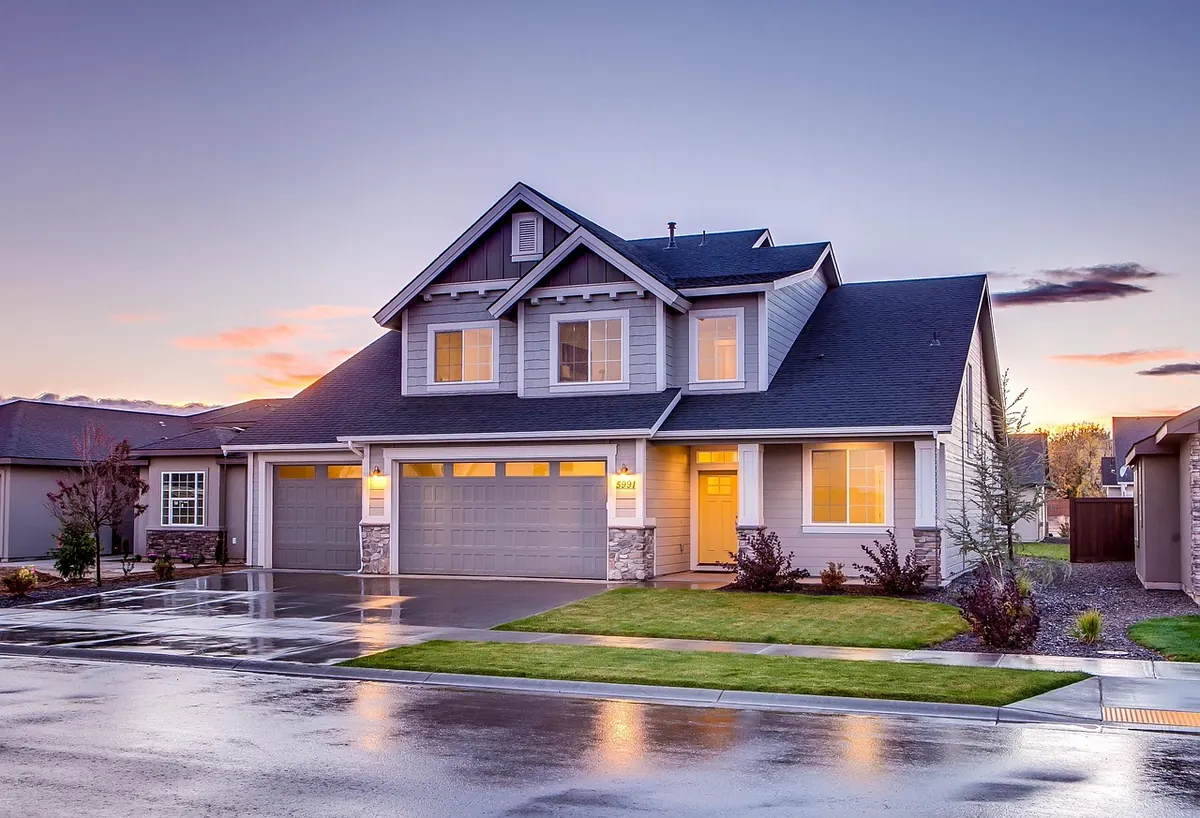
Architecture sets the visual rules. A traditional house often looks best with double-hungs and consistent trim. A modern home can carry large fixed panes, narrow casements, and clean lines. Avoid mixing too many styles on one facade; repeat shapes and proportions instead. If you are replacing only a few windows, match the sight lines of the originals so the house still reads as one composition.
Before You Choose a Style
Stand in each room and act out the window’s daily life. Open it, imagine cleaning it, and check whether a sofa, bed, or counter will block the hardware. Then run through this short checklist:
- Confirm how the window opens and whether you can reach the crank or sash safely.
- Check ventilation, privacy, and sun exposure at different times of day.
- Ask how the glass is cleaned from inside and outside.
- Consider noise, security, and emergency escape in bedrooms.
- Review exterior trim, rooflines, and any neighborhood or historic-district rules.
- Get a qualified installer’s advice on structure, flashing, and energy performance.
If your plan involves widening an opening, changing egress, or altering a historic facade, check local building rules and speak with a qualified professional before ordering. A window style is easiest to love when it fits the room, the house, and the way you actually live.
Photo: Pexels / Pixabay