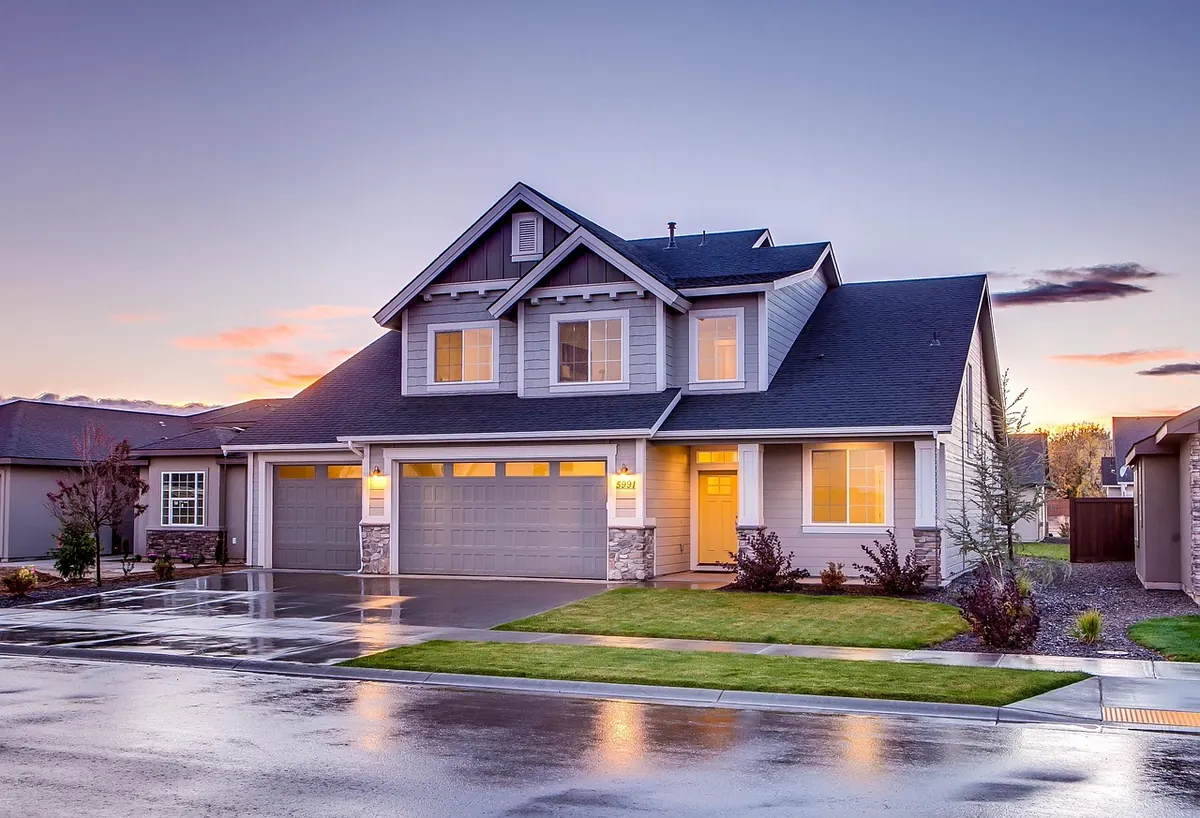
Stand in front of a modern home and count the operable windows. Most of them aren't sliding or lifting. They're cranking. Casement and awning windows — the two hinged, crank-driven styles — have become the default on new builds and renovations for one good reason: when you close them, the mechanism pulls the sash hard against its seals, and they shut tight. The difference is in how they open. One swings out like a door, the other tips out like a visor. That single hinge decision changes how a room breathes, how it handles weather, and where it belongs in the house.
Two Hinges, Two Very Different Openings
The casement: a door that swings out
A casement window is hinged on one side and swings outward, away from the room. You turn the crank at the sill, the sash travels out until it sits roughly perpendicular to the wall, and the panel becomes a clear opening. On a 30-inch-wide unit you get close to 30 inches of open width. Because the sash sits out in the breeze, it also behaves a little like a sail, which is either the best or the most annoying thing about it, depending on the day.
The awning: a visor that tips up
An awning window is hinged at the top. Crank the handle and the bottom of the sash pushes out and upward, so the glass hangs over the opening like a small roof. The opening is a horizontal slot at the bottom, a few inches tall depending on how the hardware is set. Same crank, same outward travel, and a completely different relationship with the air outside.
Ventilation: Volume vs. Control
Open a casement fully and you get the largest clear opening of any standard hinged window. That matters when you want to move air fast: clearing cooking smells out of a kitchen, pulling a cross breeze through a living room on a July evening, or flushing the heat out of a closed-up house. The open sash also catches wind and can funnel it inward, which is useful on a still day. On a gusty one, it can catch too much — a fully open casement will bang against its limit stop, so use the crank to set it partway and let friction hold the position.
Awnings work the other way. Air enters through the low slot and is deflected upward by the glass toward the ceiling, so you feel a soft, indirect current rather than a stream across the sofa. It's a gentler exchange, and the opening is limited, so a room takes longer to clear. That's fine for overnight ventilation in a bedroom or steady air in a bathroom. It is not the window you choose to purge a kitchen after frying fish.
One detail worth knowing before you order: both styles swing outward, which means insect screens sit on the interior face and stay in place while the sash is cranked open. Ask your supplier to confirm the screen frame doesn't foul the crank handle at full travel.
Weather Protection: Where Awnings Pull Ahead
This is the clearest difference between the two. The top-hinged sash on an awning acts as a hood. Light or moderate rain runs off the glass and away from the opening, so you can leave the window cracked during a shower, or sleep with it open on a night when the weather turns. On a sheltered wall, that's a genuinely useful habit.
A casement does the opposite. The open sash faces into the weather, so rain blowing at the wall travels straight through the opening. On the windward side of a house, a wide-open casement in a storm is essentially a funnel. Use casements on sheltered elevations, or accept that on wet days they stay barely cracked.
Wind matters as much as rain. Exposed sites — coastal walls, hilltops, upper floors, anything without a windbreak — are awning territory. Casements do better in courtyards, under deep overhangs, and on leeward walls where the weather rarely hits square. When closed, both compress against their gaskets through the crank, which is why they seal so well and stay so quiet. Installation quality affects that more than the style debate does.
Daily Operation: Reach, Clearance, and What's Around the Window
Neither window swings into the room, and that is the quiet advantage they share: no sofa to shift, no curtain to fight, no floor space lost in a narrow hallway. Before you commit, walk the room and the exterior with a few practical points in mind.
- Exterior clearance. A casement needs room to swing sideways. Check deck railings, walkways, downspouts, shutters and the inside corner where two units meet. An awning needs clearance above and outward — check eaves, porch roofs and overhangs.
- Crank access. Handles sit at sill level on both styles. If the sill hides behind a deep counter or above a bathtub, be sure you can reach it without a stretch. A folding handle helps when blinds hang close.
- Hardware wear. The crank operator is the part that ages first. Close the window fully each time rather than leaving it half-latched, and don't force a stiff crank — gritty movement usually means the operator arm needs cleaning and a little lubricant.
- Cleaning. A casement's outside glass is easy to reach because the sash opens wide; the hinge side takes some effort. An awning opens only a few inches, so exterior glass on upper floors usually needs a pole or a professional visit.
Which Room Suits Which
- Kitchen: awning over the sink or counter. The sash lifts out of the way and can stay open in light rain.
- Bathroom: awning, for privacy and rain tolerance. The opening sits high, so sightlines from outside stay blocked.
- Bedroom: casement where the window serves as the room's emergency escape, because the clear opening is larger. Confirm the egress requirement with your local building authority before ordering.
- Living room or patio wall: paired casements make an excellent door-height opening and pull cross breezes through the space.
- Exposed or windy facade: awning, ideally a smaller unit set high on the wall.
- Above a desk, sofa or reading chair: awning, since the air deflects upward rather than across your lap.
- Narrow walls and hallways: either works, because neither disturbs the interior.
Cost sits in a similar band for both, and both run above a basic single-hung because of the operator hardware. When you compare quotes, look at the hardware brand and the warranty on the operator rather than the glass alone. In daily use, the crank is what you touch, and a cheap one will announce itself within a few years.
A Simple Way to Choose
- Walk the outside of the house and note which walls take the prevailing wind and rain. Those get awnings.
- Step inside each room and look at what sits under the window. Furniture, counters and beds push you toward awnings; wide-open airflow and escape routes push you toward casements.
- Check bedroom escape requirements before you finalise sizes.
- Mix the two. Most manufacturers offer matching frames, finishes and cranks across both styles, so a single elevation can carry awnings on the weather side and casements where you want real airflow.
Most houses don't need a house-wide answer. Pick per wall, per room, and let the hinge do the work it's best at.
Photo: timmossholder / Pixabay